This guide breaks down exactly what cagrilintide is and how it differs from GLP-1s, why combining cagrilintide and semaglutide produces synergistic weight loss, complete dosing protocols for the combination, clinical trial results and real-world outcomes, side effects and management strategies, comparing CagriSema to other weight loss combinations, sourcing considerations, and protocols for maximum safe weight loss
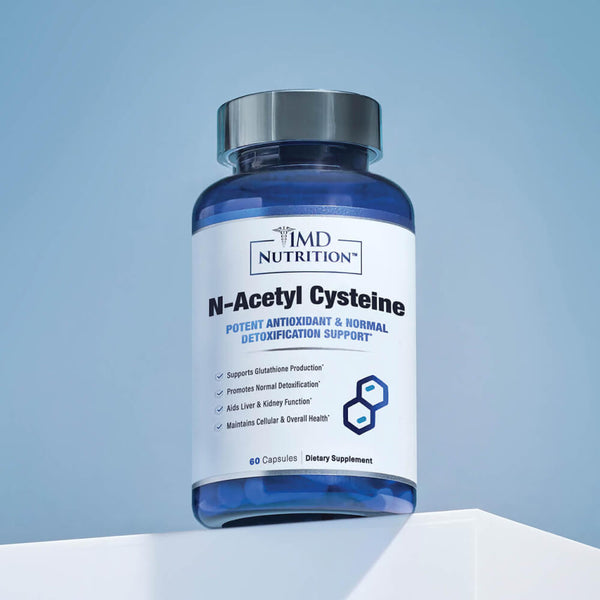
Benefits (Research Focus) Studied for tendon and ligament repair in connective tissue regeneration models Investigated for muscle healing and regenerative signaling after injury Explored for gastric and intestinal lining protection in GI research Examined for angiogenesis and new blood vessel formation in healing tissues Researched for fibroblast migration, collagen deposition, and nitric oxide pathway modulation What Researchers Look At Angiogenesis and vascularization endpoints in soft tissue recovery models Fibroblast migration, collagen synthesis, and wound closure rates Gastrointestinal mucosal integrity in NSAID and stress-induced injury models Tendon-to-bone healing and ligament reconstruction in surgical research Neuroprotective and anti-inflammatory signaling in preclinical research Quick Specs Form: Gelatin capsule Strength: 500 mcg / capsule (0.5 mg) Quantity: 30 capsules per bottle Salt Form: L-Arginine salt (stabilized for oral administration) Excipient: Microcrystalline cellulose (MCC) pharmaceutical-grade filler Purity: 99% Storage: Store in a cool, dry, dark place Identity Basics Compound: BPC-157 (Body Protection Compound-157) Synonyms: PL 14736
Seimon, R
The Centers for Disease Control and Prevention (CDC) states that if a multi-dose vial has been opened or accessed (e.g., needle-punctured) the vial should be dated and discarded within 28 days unless the manufacturer specifies a different (shorter or longer) date for that opened vial
It is a chronic skin disease that affects millions of people worldwide