Nicotine dehydrogenase complexed with 6-hydroxypseudooxynicotine oxidase involved in the hybrid nicotine-degrading pathway in agrobacterium tumefaciens S33
Environmental Protection Agencys safety threshold a measurement that works out to 16 millionths of an ounce per pound of bodyweight
The granule-filled sticks are the first of their kind, says Gert Gorter, head of export at HNB Center

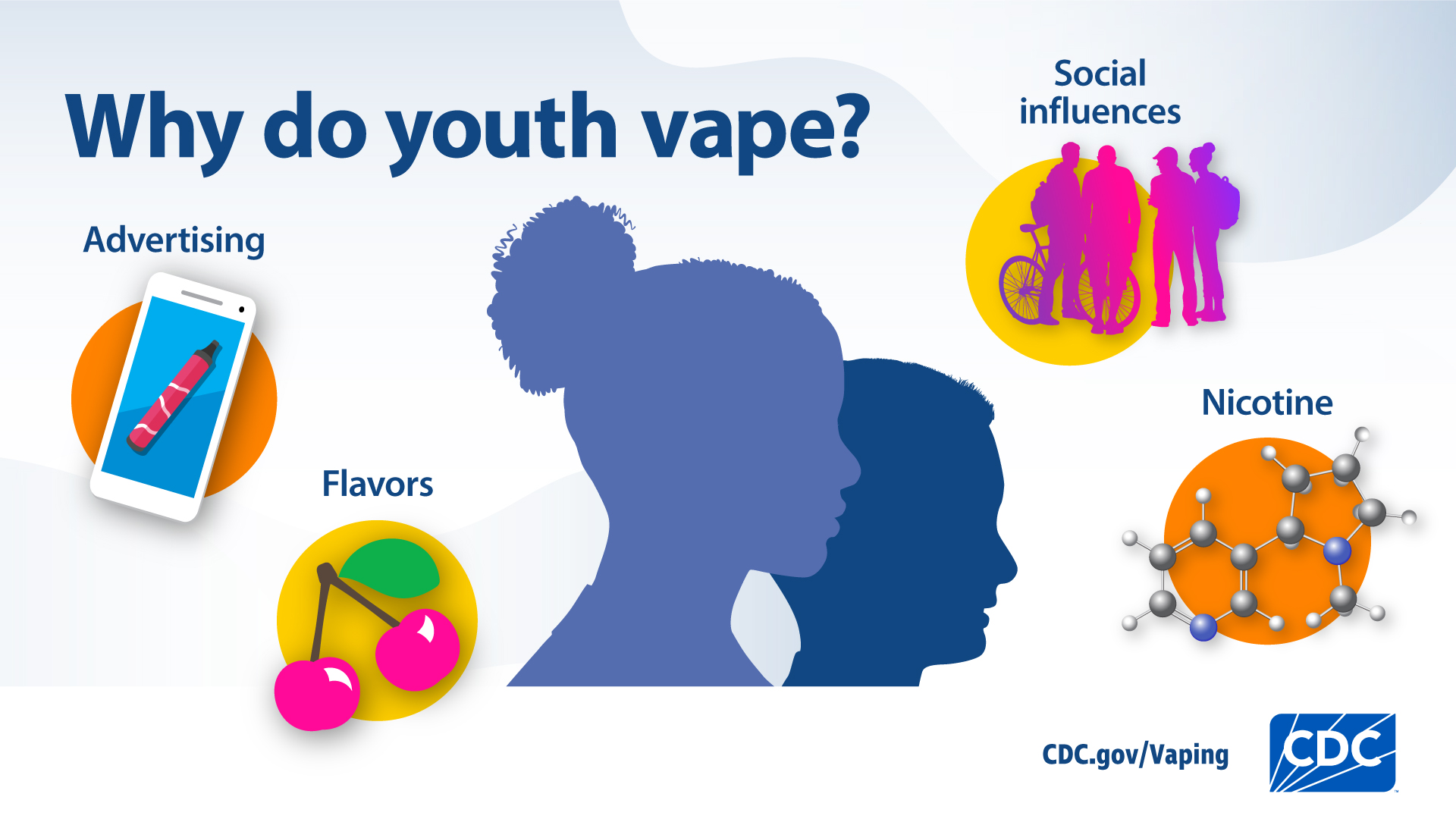
2025 Findings on Youth Use for All Tobacco Products Current Use 7.2% of all students (2.01 million) reported current use of tobacco products 9.5% of high school students (1.50 million) reported current use of tobacco products 4.1% of middle school students (480,000) reported current use of tobacco products 2.6% of students (720,000) reported current use of any combusted tobacco product 2.7% of students (740,000) reported current use of multiple (2) tobacco products Most Commonly Used Tobacco Products E-Cigarettes (5.2%) Nicotine Pouches (1.7%) Cigarettes (1.4%) Cigars (1.1%) Smokeless Tobacco (0.9%) Heated Tobacco Products (0.7%) Hookahs (0.7%) Other Oral Nicotine Products (0.6%) Pipe Tobacco (0.4%) 2025 Findings on Youth Use for E-Cigarette Products Current Use 5.2% of middle and high school students (1.44 million) reported current use of e-cigarettes 7.1% of high school students (1.13 million) and 2.6% of middle school students (300,000) reported current use of e-cigarettes Frequency of Use More than 1 in 4 (27.5%) of current youth e-cigarette users used an e-cigarette product daily More than 4 in 10 (41.2%) youth e-cigarette users reported using e-cigarettes on at least 20 of the last 30 days Flavored E-Cigarette Use More than 8 out of 10 (89.4%) current e-cigarette users used flavored e-cigarettes, with fruit flavors being the most popular, followed by candy, desserts, or other sweets

Nicotine replacement therapies are considered safer than tobacco use, having much less harmful effects than cigarette smoke (Schneider et al., 2001









![Mimikyu (SWSH136) (Delta Species) (Celebrations) [Sword & Shield: Black Star Promos] XY130](https://cdn.shopify.com/s/files/1/0769/0754/4880/files/7f4fd92a-8508-5095-9eb3-34292a96f458_280dbff4-fdbc-44d1-aa3a-5698712b2df3.jpg?v=1779990776)
![Mew V (251/264) [Sword & Shield: Fusion Strike] SWSH126](https://cdn.shopify.com/s/files/1/0769/0754/4880/files/9aeae580-5b3a-5fef-91b3-d3735fafa305.jpg?v=1721158701)


