Common adverse effects of Ozempic, as documented in the UK SmPC, include: Gastrointestinal symptoms : nausea, vomiting, diarrhoea, constipation, abdominal pain (very common, affecting more than 1 in 10 patients) Decreased appetite (very common) Hypoglycaemia : when used in combination with insulin or sulphonylureas Gallbladder disorders : including cholelithiasis and cholecystitis Fatigue Injection site reactions : such as bruising or pain Whilst musculoskeletal pain is not formally listed, healthcare professionals should remain vigilant for patient reports and consider the broader context of treatment, including weight loss trajectory, nutritional status, and concurrent medical conditions
However, switching from is-CGM without alarms to rt-CGM improved TIR and HbA 1c and reduced Level 3 hypoglycaemia [77]
Research suggests GIP may also improve beta cell function over time, potentially slowing the progressive decline in insulin production that characterizes type 2 diabetes
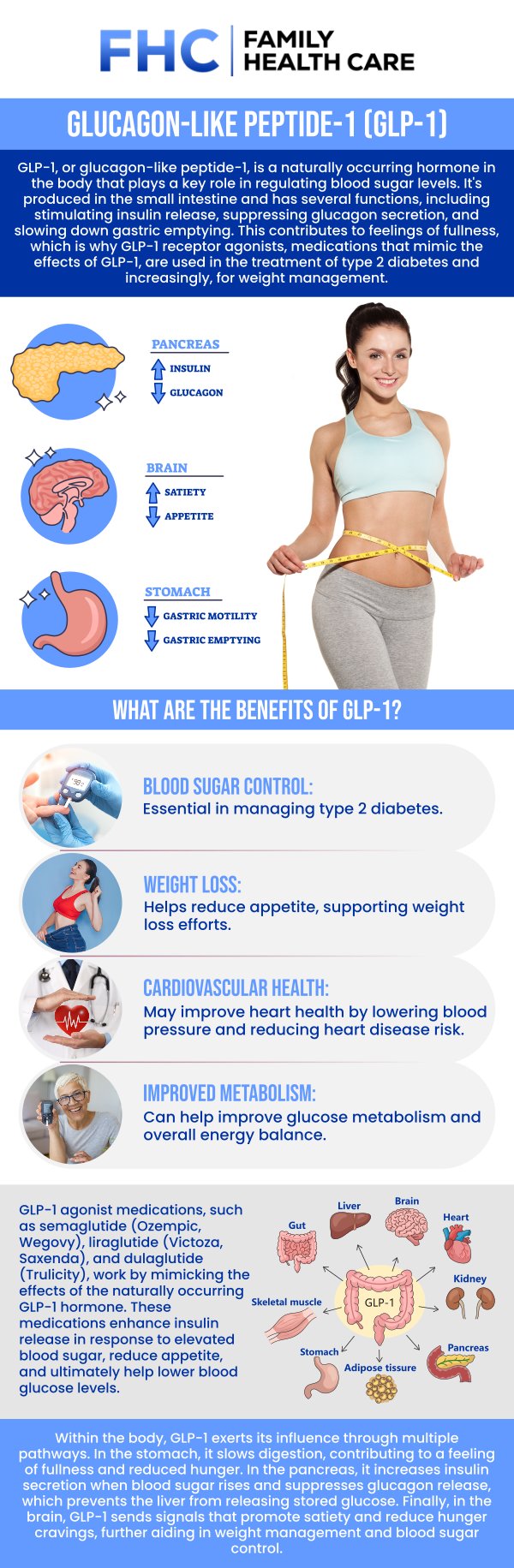
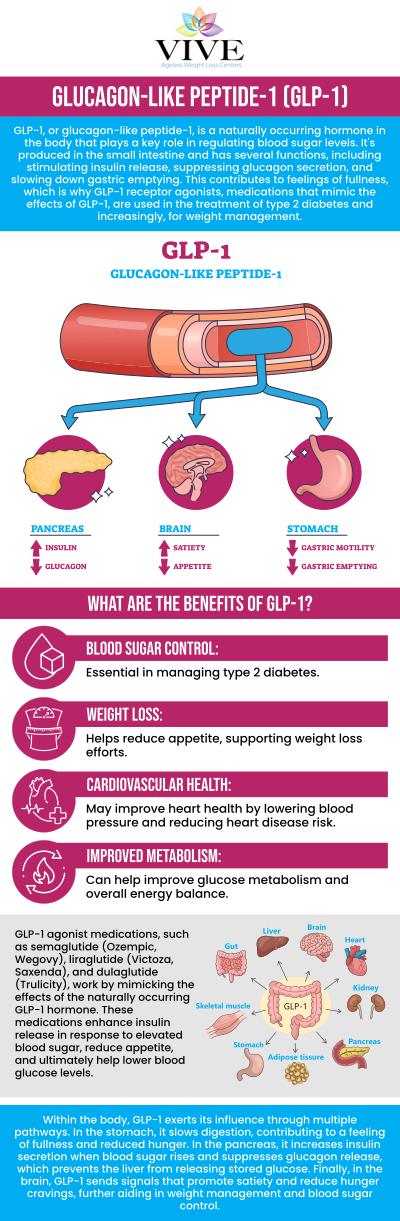
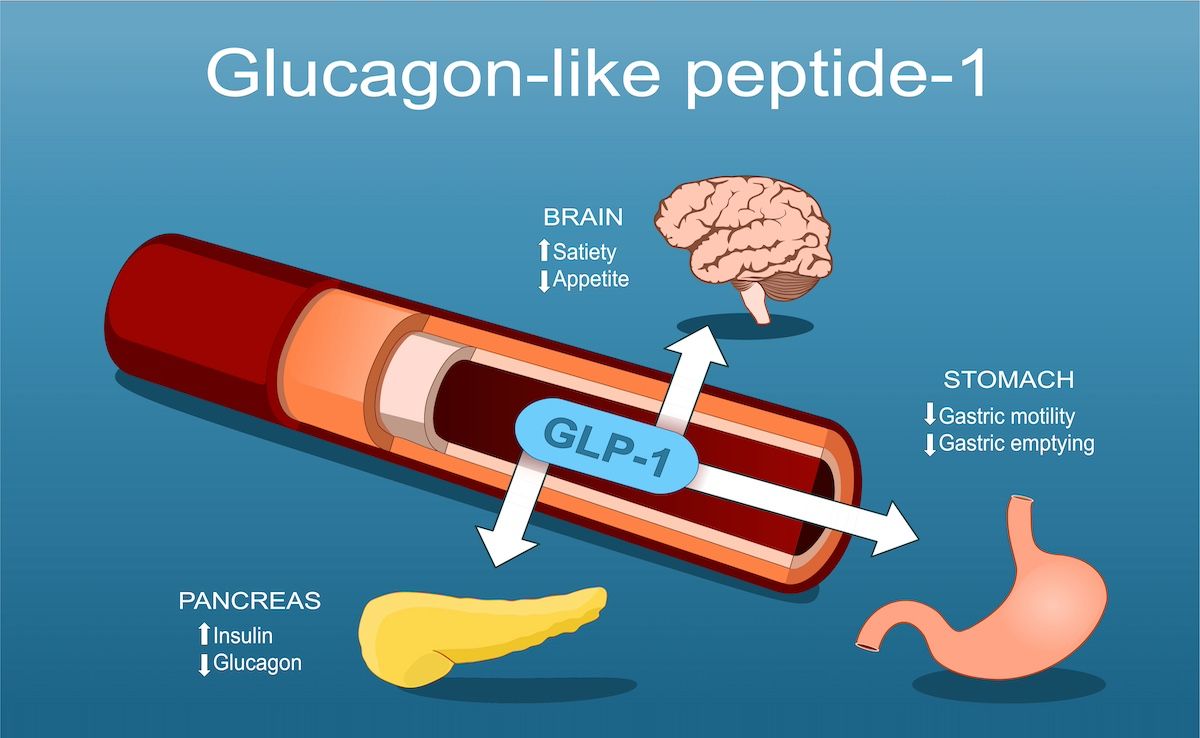
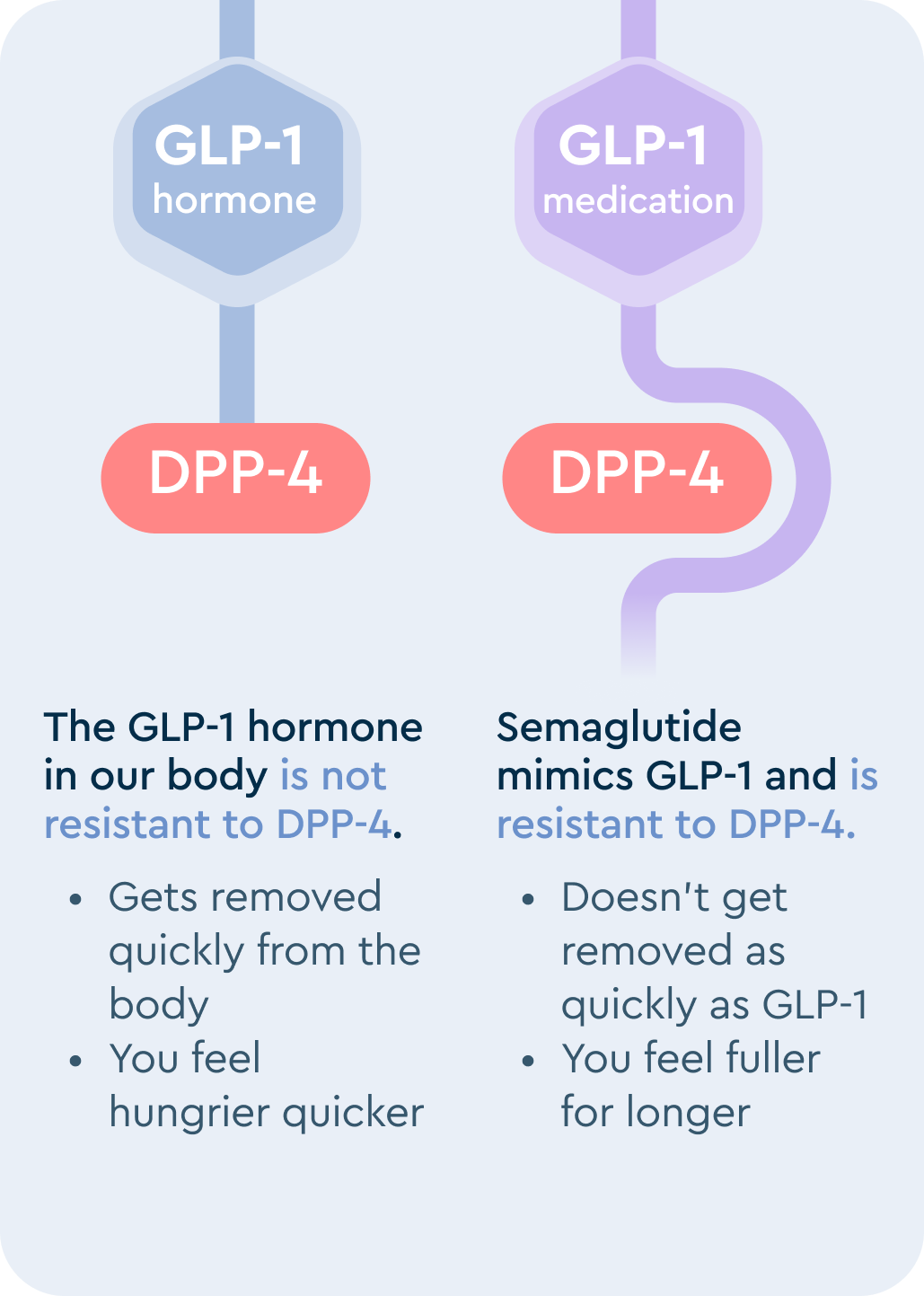
GLP-1 stands for glucagon-like peptide-1 , a hormone that your body naturally releases from the gut after you eat
Losing muscle along with fat worsens metabolic rate and functional capacity