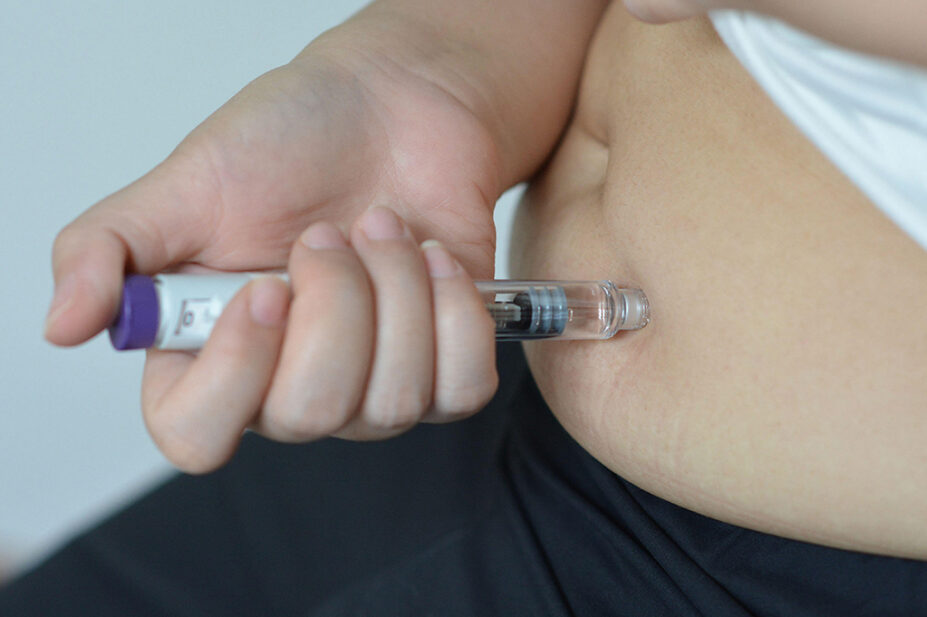
To help you keep things simple, here are the key takeaways to keep in mind: Most reactions are mild: Redness, itching, or small bruises are common and usually go away on their own
However, people taking Ozempic should watch for the following symptoms of blood clots: Recurring pain or discomfort in one area of the body Redness or tenderness in the affected area Unexplained pain in the arms, legs, or other parts of the body People taking Ozempic should also closely monitor themselves for the potentially serious symptoms of DVT and PE: Deep vein thrombosis (DVT): Swelling, pain, and tenderness in the affected area, often the leg Pulmonary embolism (PE): Sudden shortness of breath, chest pain, sweating, and rapid heart rate How Might Ozempic Cause Blood Clots
Naturally, growth hormone stimulates the release of IGF-1 from the liver
The GP Implant Ti-Base prosthetic system has become a top choice globally
This protocol simplicity is one reason this escalation produces high adherence rates in clinical trials and why it translates well to research applications