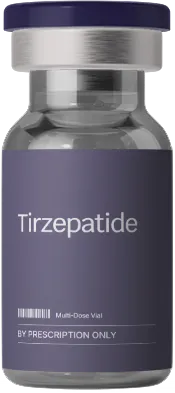
Cash-pay is operationally simpler and often more profitable
There are two types of carnitine deficiency: Primary carnitine deficiency A genetic disorder Usually develops by five years of age Symptoms include Disease of the heart muscle (cardiomyopathy) Skeletal-muscle weakness Low blood sugar (hypoglycemia) Secondary carnitine deficiency Caused by other underlying conditions that decrease the amount of carnitine in the body that cause the body to: Increase the amount of carnitine excreted in urine Absorb less carnitine from food Chronic renal failure Use of certain antibiotics Certain medicines, such as valproate Liver disease Digestive disease that causes poor absorption Malnutrition Mitochondrial disease Certain metabolic disorders From Diet and Weight Loss Resources Image source: iStock Images

In clinical practice, you often see that the most frequently cited endpoints in these assessments include: Cardiovascular events, such as major adverse cardiovascular events (MACE), myocardial infarction (MI), and all-cause mortality, which are critical for patients with diabetes and obesity
But plaintiffs do not need every study to be perfect
Within this context, Gelatine Sculpt, a liquid dietary supplement positioned as a "Bariatric Jelly," has become a focal point of discussion across wellness communities, social media platforms, and consumer forums




-1775582746855.png&w=384&q=75)