We don't know which trimesters carry the most risk
Why this matters (and dont underestimate it): ~20% weight loss in non-diabetic obesity (REDEFINE-1) 1416% weight loss in T2D (REDEFINE-2) Dual mechanism = appetite suppression + satiety reinforcement Designed for long-term maintenance, not just short-term loss Potentially better GI tolerability with flexible titration This isnt another GLP-1. Its a clear signal that amylin is emerging as a serious second pillar in next-gen obesity care
For some women, that leads to better hormone balance
Vitamin B12 is essential for energy production, red blood cell formation, neurological function, and metabolism

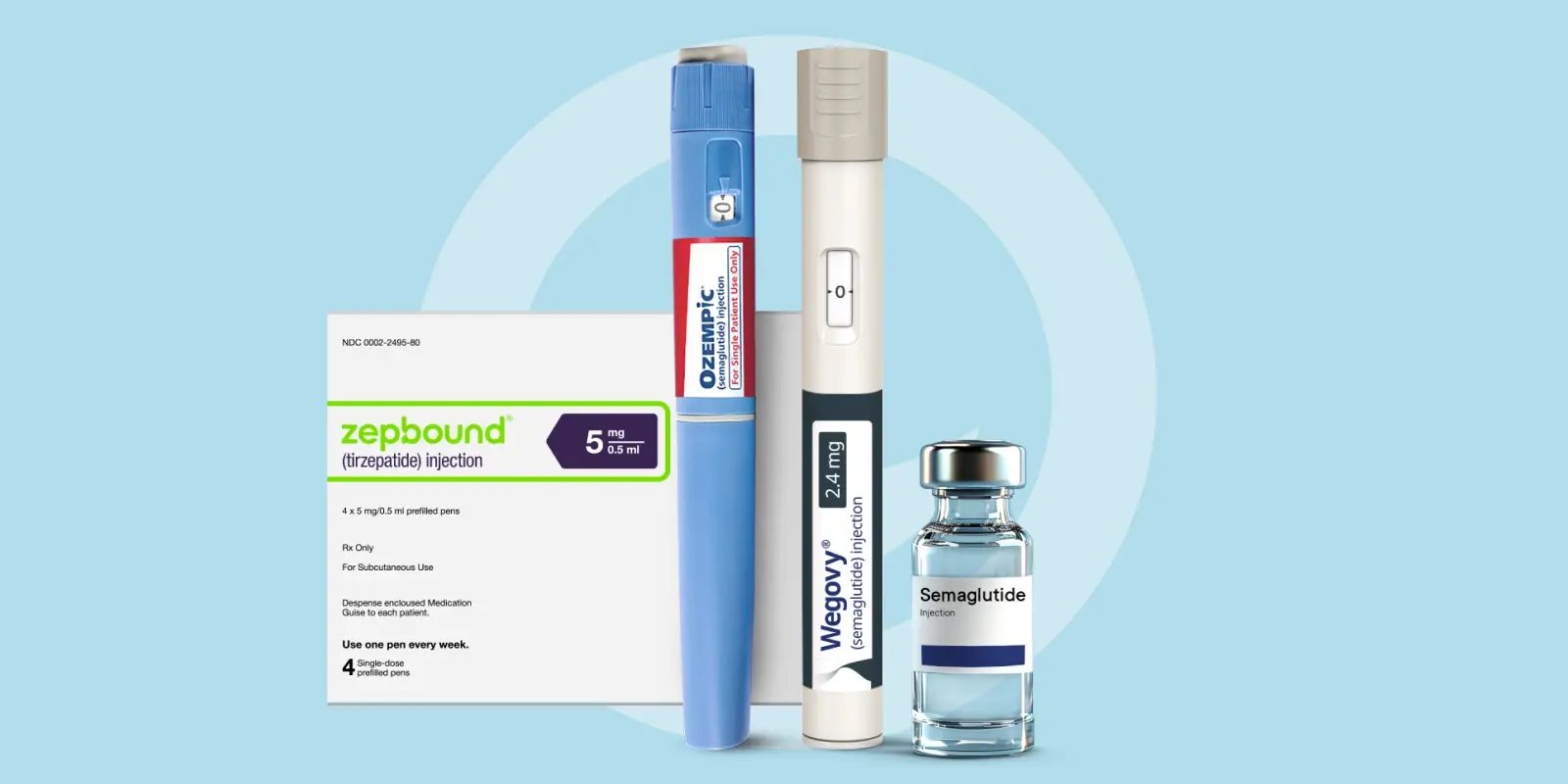
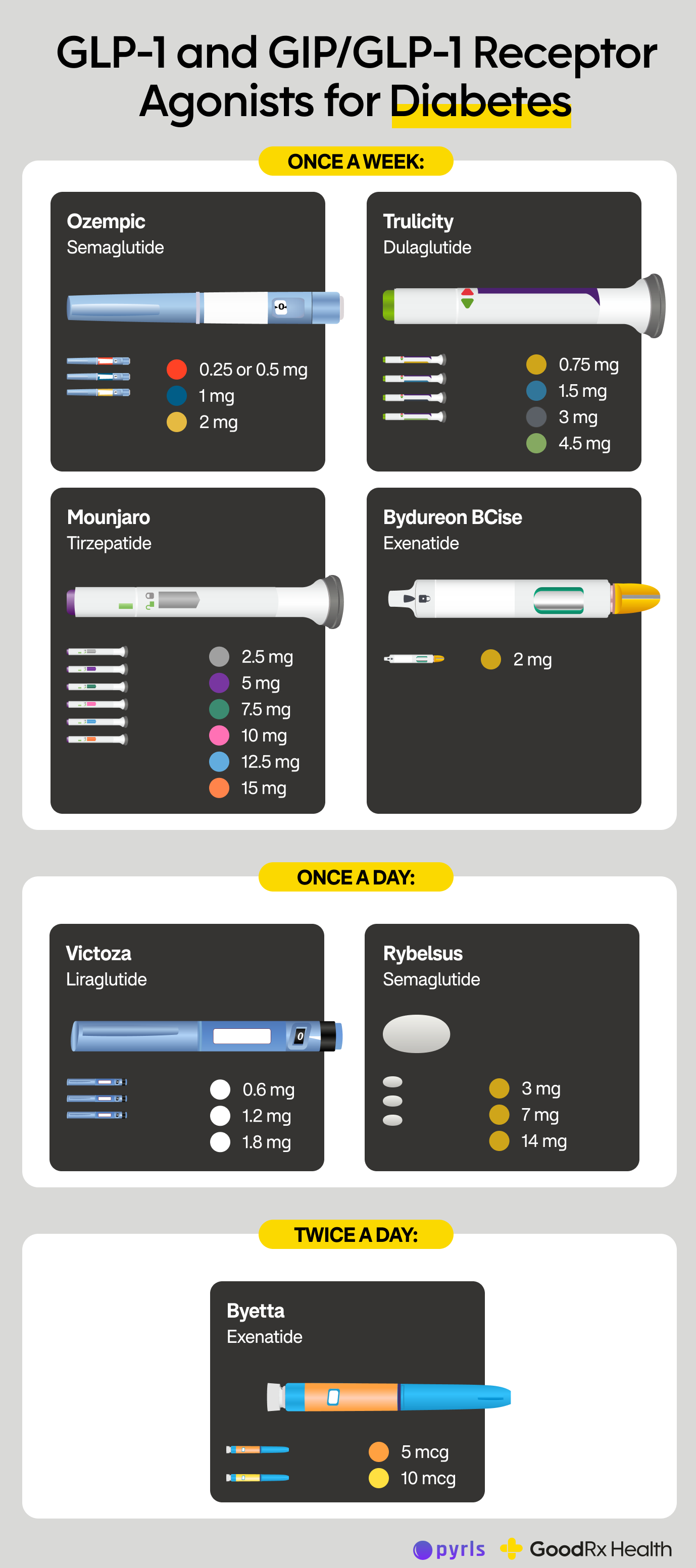
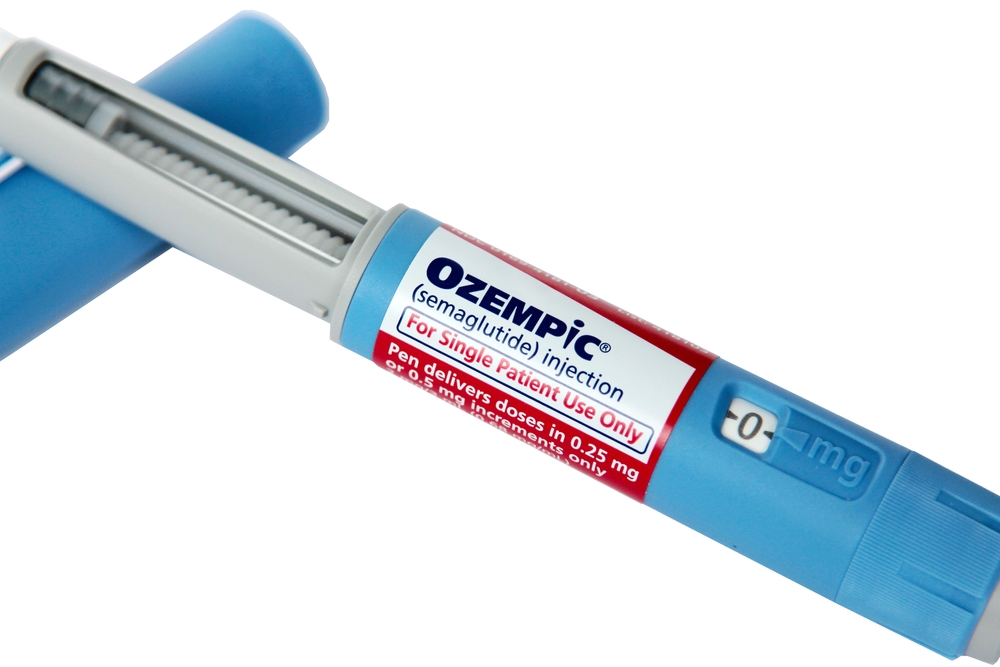
Several possible explanations for changes in urinary frequency include: Improved glycaemic control : As Ozempic helps lower blood glucose levels, patients with previously poorly controlled diabetes may notice reduced urination compared to their baseline, as high blood sugar itself causes increased urination (polyuria) Dietary changes : Some patients alter their fluid intake or dietary habits when starting Ozempic, particularly as the medication often reduces appetite Weight loss : Weight reduction, which commonly occurs with Ozempic treatment for type 2 diabetes, may influence fluid balance Other common causes of increased urination unrelated to Ozempic include: Urinary tract infections Enlarged prostate in men Caffeine or alcohol consumption Other medications, particularly diuretics Anxiety It's important to note that Ozempic is licensed in the UK for the treatment of type 2 diabetes, while Wegovy (also semaglutide) is the licensed product for weight management


![Learn more about how #Atkins supports your GLP-1 journey today! 👉️ [link in bio] 👈️ #healthyrecipes #strength #cleaneating #healthyeating #health #eatclean #healthandwellness #nutritionist #wellness #healthy #wellbeing #nutritiontips](https://lookaside.instagram.com/seo/google_widget/crawler/?media_id=3736833958249433948)