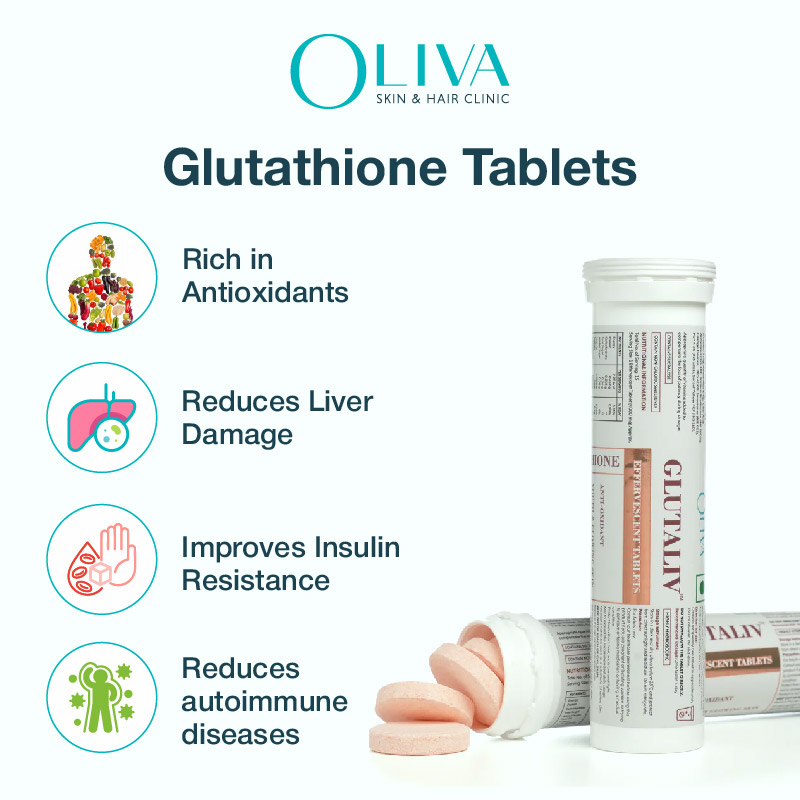
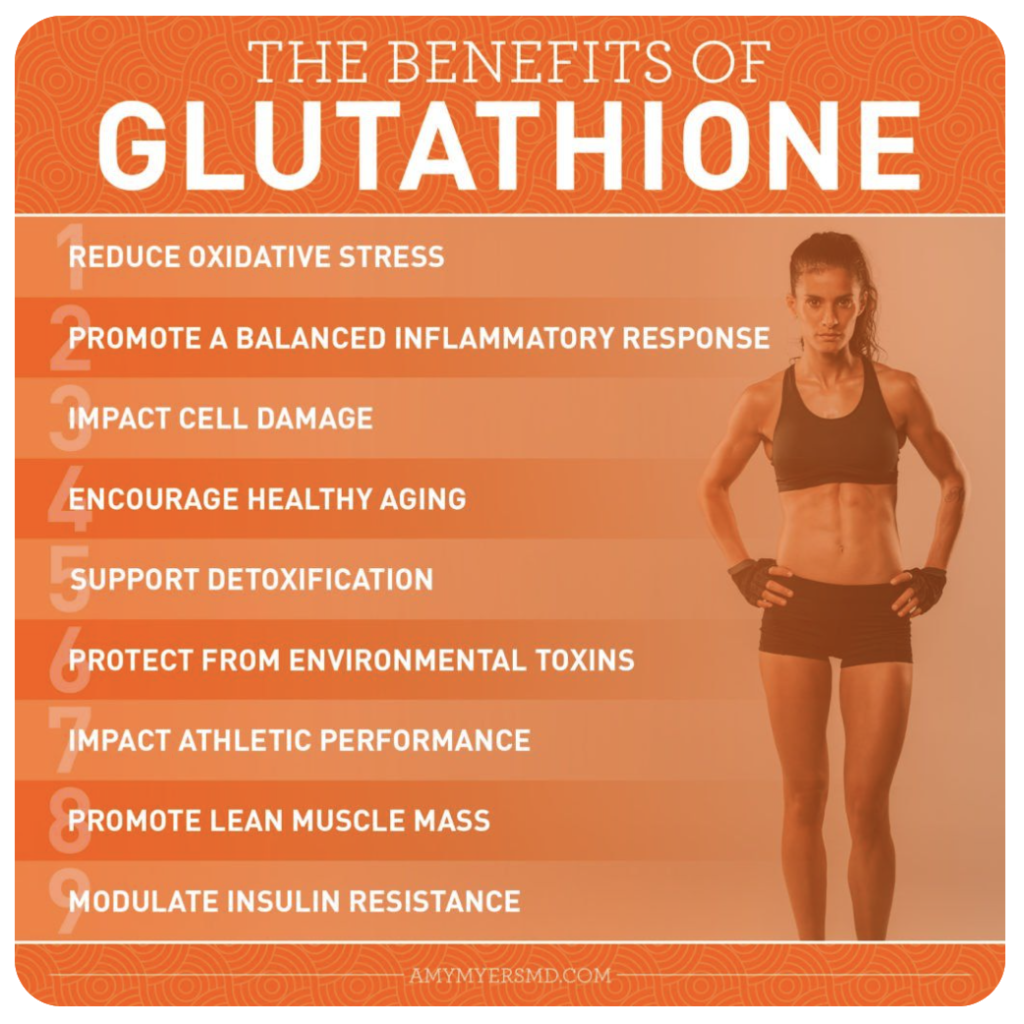
Oxidative stress and inflammation have been linked to many chronic illnesses, including heart disease and diabetes, so reducing levels is likely beneficial ( Low intakes of vitamin C have been linked to higher levels of inflammation and oxidative stress, as well as an increased risk of heart disease ( One study found that adults with the lowest blood levels of vitamin C were nearly 40% more likely to develop heart failure within 15 years than those with the highest blood levels, even though they were not deficient in vitamin C ( Summary Regular consumption of antioxidants like vitamin C is associated with health benefits, while low intakes may increase inflammation and oxidative stress
It is frequently studied alongside BPC-157 because the two act through complementary tissue-repair pathways rather than the same one
Outcome Most people notice falling asleep gets easier within the first few nights, with mornings feeling less groggy by weeks 12 and genuinely restorative sleep by weeks 24
Multiple comparison correction was performed using the BenjaminiHochberg false discovery rate (FDR) method
A standard weight-management titration reference (based on FDA-approved Wegovy protocol): Weeks 14: 0.25 mg once weekly Weeks 58: 0.5 mg once weekly Weeks 912: 1.0 mg once weekly Weeks 1316: 1.7 mg once weekly Week 17 onward: 2.4 mg once weekly (maintenance for obesity) For T2DM glycemic control, lower maintenance doses (0.52.0 mg weekly) are used per Ozempic labeling
:quality(85):upscale()/2024/07/01/688/n/1922729/8ae3dd706682cbcc939fb6.44856975_.jpg)