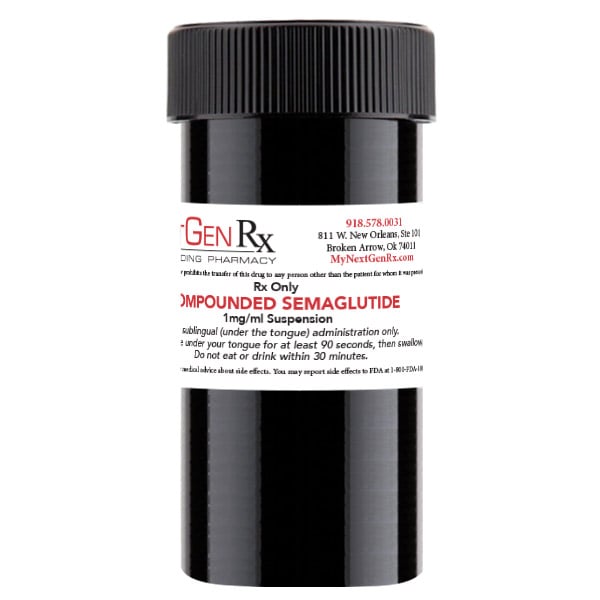
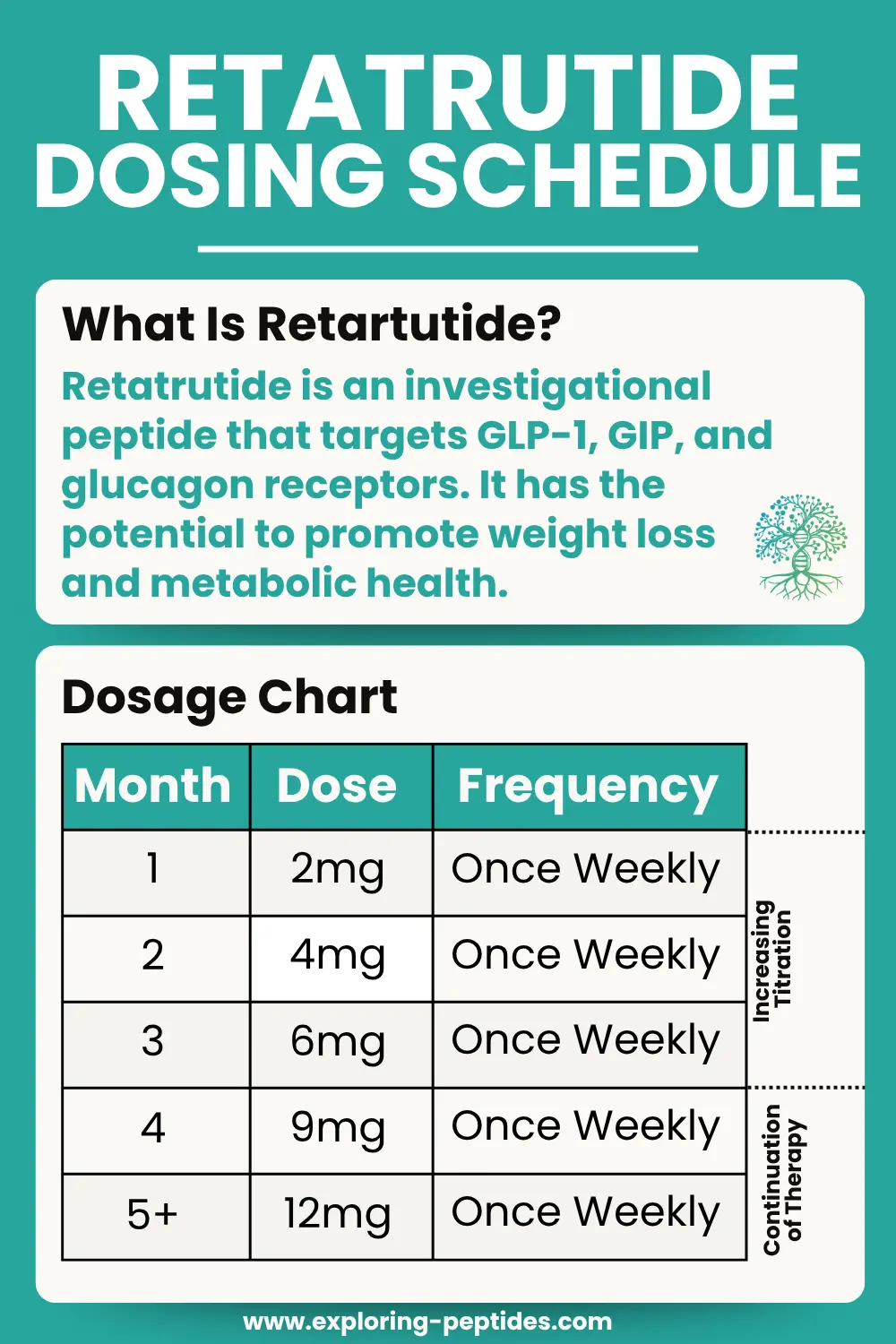
Glutathione therapy can support a broader wellness routine, but it is not a substitute for medical care, nutrition, sleep, hydration, or a provider-directed health plan
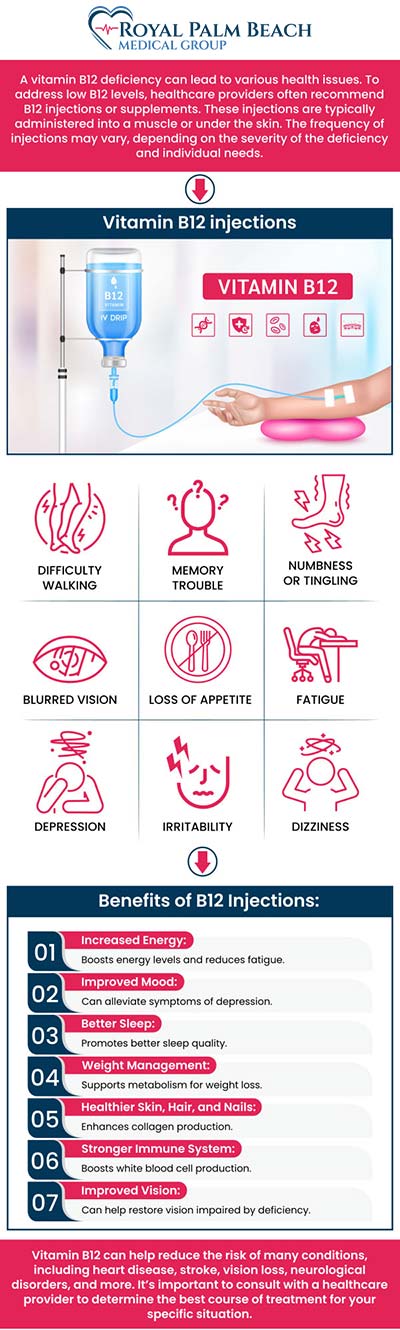
Dizziness and fatigue Memory loss, difficulty in concentrating, and cognitive difficulties Anemia or iron deficiency anemia Muscle cramps Shortness of breath Erratic moods and possible signs of mental health disorders such as depression Irregular or halted menstruation Inflamed tongue Low energy Hair Your Vitamin B12 deficiency may also be a symptom in itself of other diseases such as SIBO ( Small Intestinal Bacterial Overgrowth ) or other gut-related disorders
Management approaches include increasing fiber intake gradually (too much fiber at once worsens bloating), drinking at least 64 ounces of water daily, taking magnesium citrate (400-600mg at bedtime), and increasing physical activity
As a result of gastric mucosal diseases and after gastrectomy, an intrinsic factor deficiency can occur, which is of essential importance for the absorption of vitamin B12 in the stomach
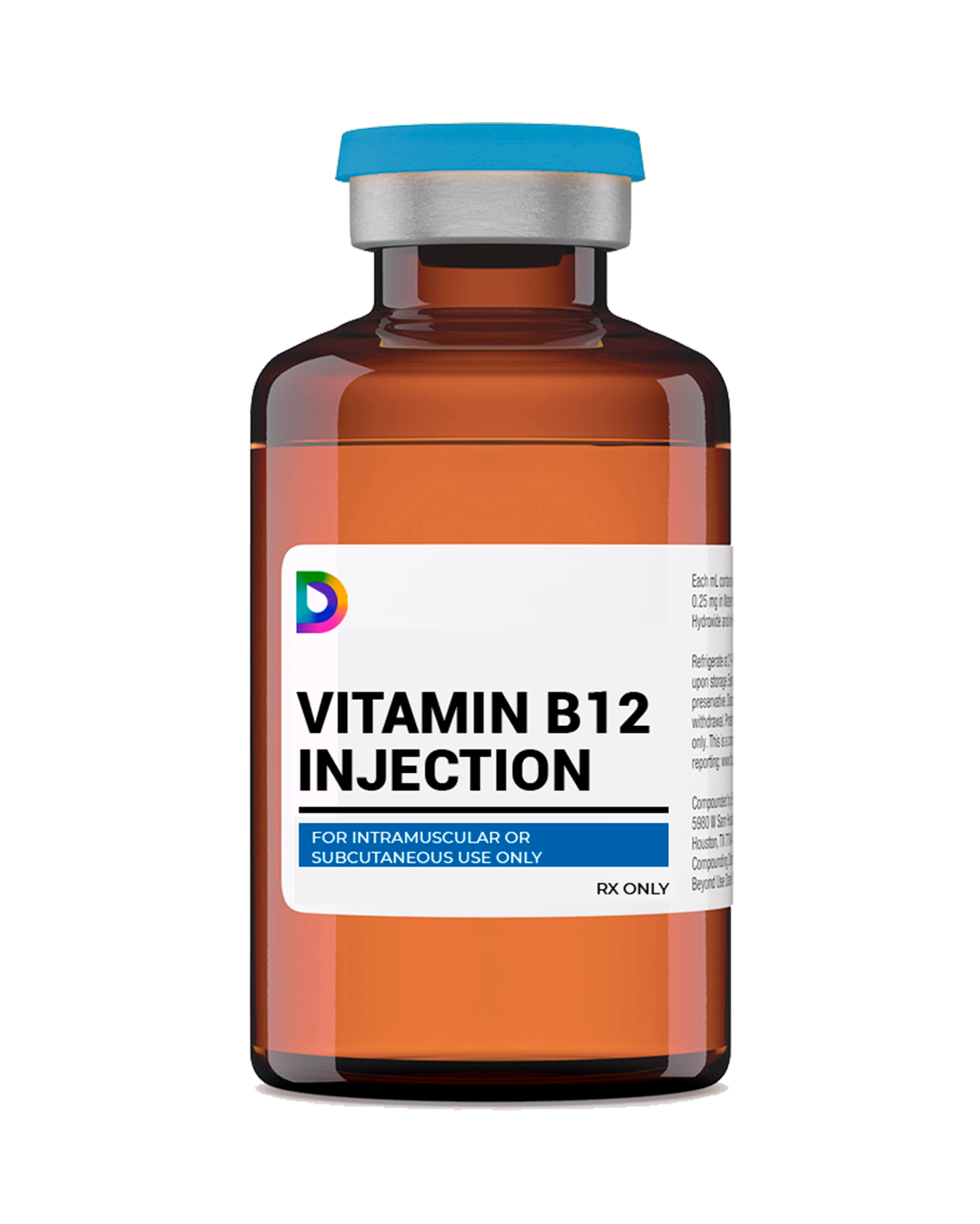
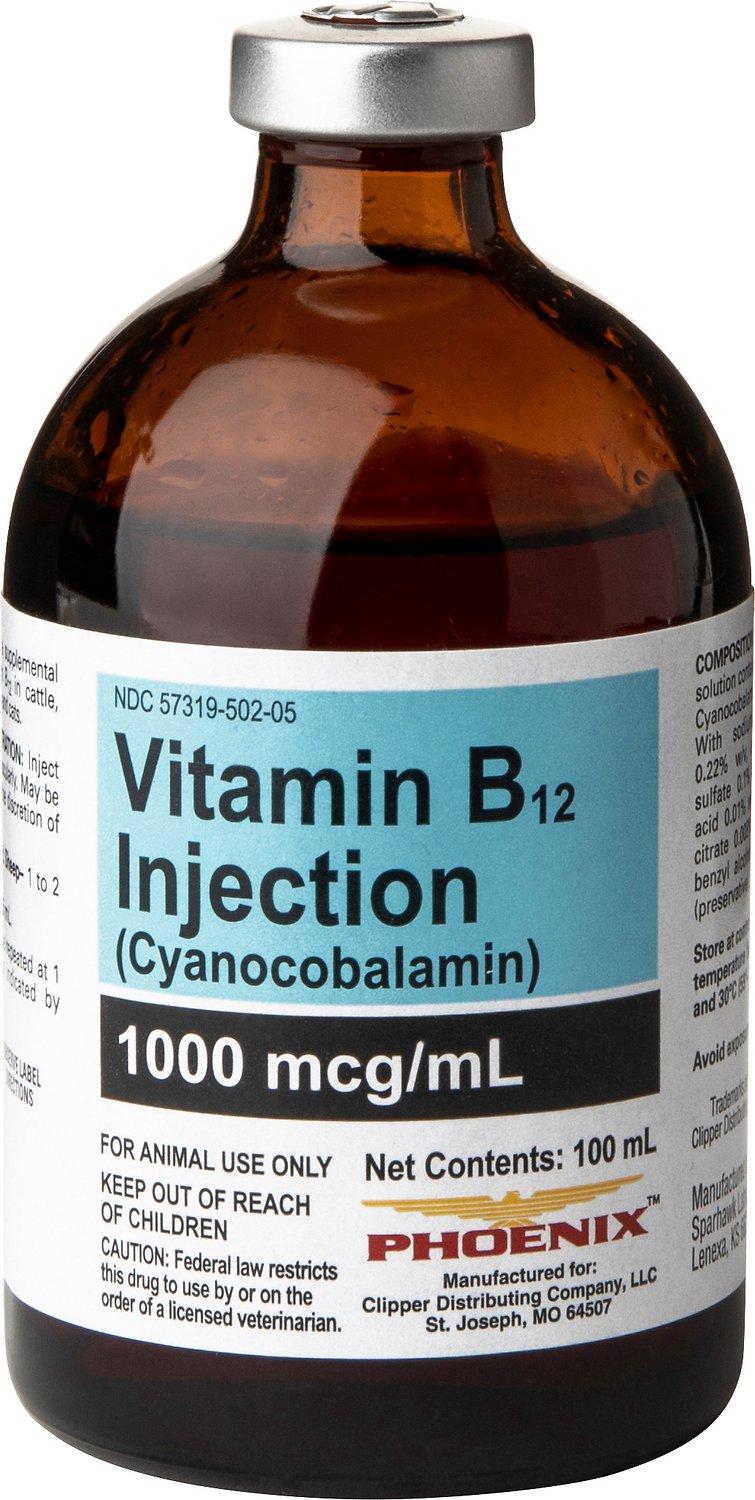
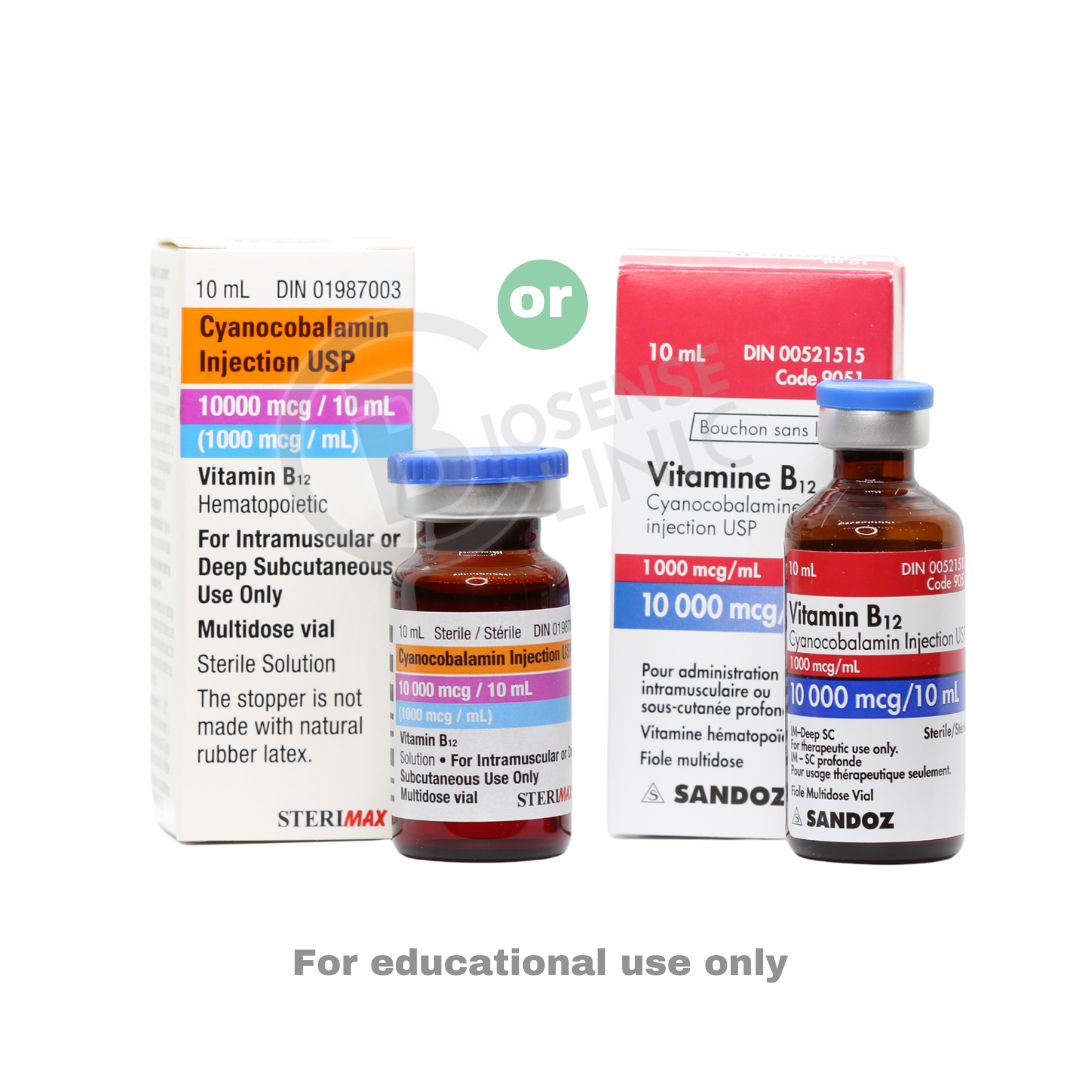
Once in your system, Vitamin B12 helps your body in several ways: Boosts red blood cell production - More red blood cells mean better oxygen transport throughout your body, which helps reduce fatigue
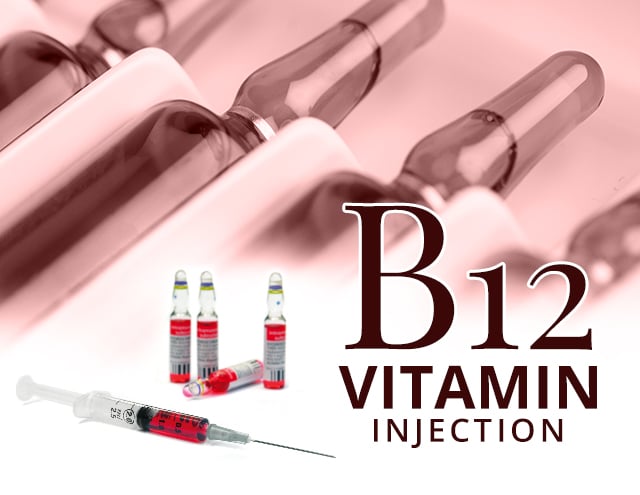







.png)
.webp?width=900&height=1201&name=Semaglutide%20Image%202_900x1200%20(without%20phone).webp)