DGAT enzymes and triacylglycerol biosynthesis
Common Factors Affecting Peptide Dosing Protocols When a clinician writes a peptide plan, they look at a lot of things: Patient goals and symptoms Medical and injury history Contraindications and current meds ADT: Previous exposure to peptides Method of administration Product concentration Time frame of treatment The monitoring plan Non-clinicians shouldn't make these choices, and don't just copy what other clinics do without review by your medical director
Integrative transcriptome network analysis of iPSC-derived neurons from schizophrenia and schizoaffective disorder patients with 22q11.2 deletion
A realistic timeline may look like: First 48 weeks: early changes in energy, sleep, recovery, or body composition may be noticed by some clients 812 weeks: more meaningful body-composition changes may begin to appear 36 months: better window for evaluating abdominal-fat and body-composition response 6+ months: longer protocols may be considered depending on provider guidance Actual results vary based on body composition, nutrition, exercise, sleep, hormones, metabolic health, and consistency
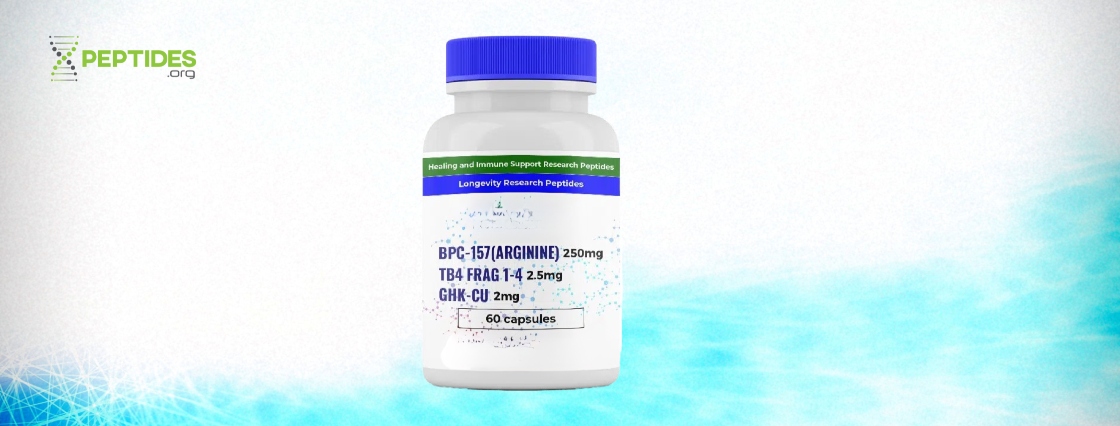
Skin Rejuvenation and Anti-Aging Peptides like GHK-Cu peptide injections and collagen peptide injections stimulate collagen production, which improves skin texture, reduces fine lines, and enhances skin elasticity







.webp)