
Our model provides a comprehensive assessment of disease progression through multiple validated endpoints: Clinical score Body temperature Body weight evolution Viral load (nasal washes, BAL, lungs and nasal turbinates) Histopathology The model consistently reproduces the key hallmarks of influenza infection, including clinical signs, transient fever, body weight loss, significant viral replication in respiratory tissues and characteristic inflammatory lesions
In vitro and ex vivo evaluation of second-generation histone deacetylase inhibitors for the treatment of spinal muscular atrophy
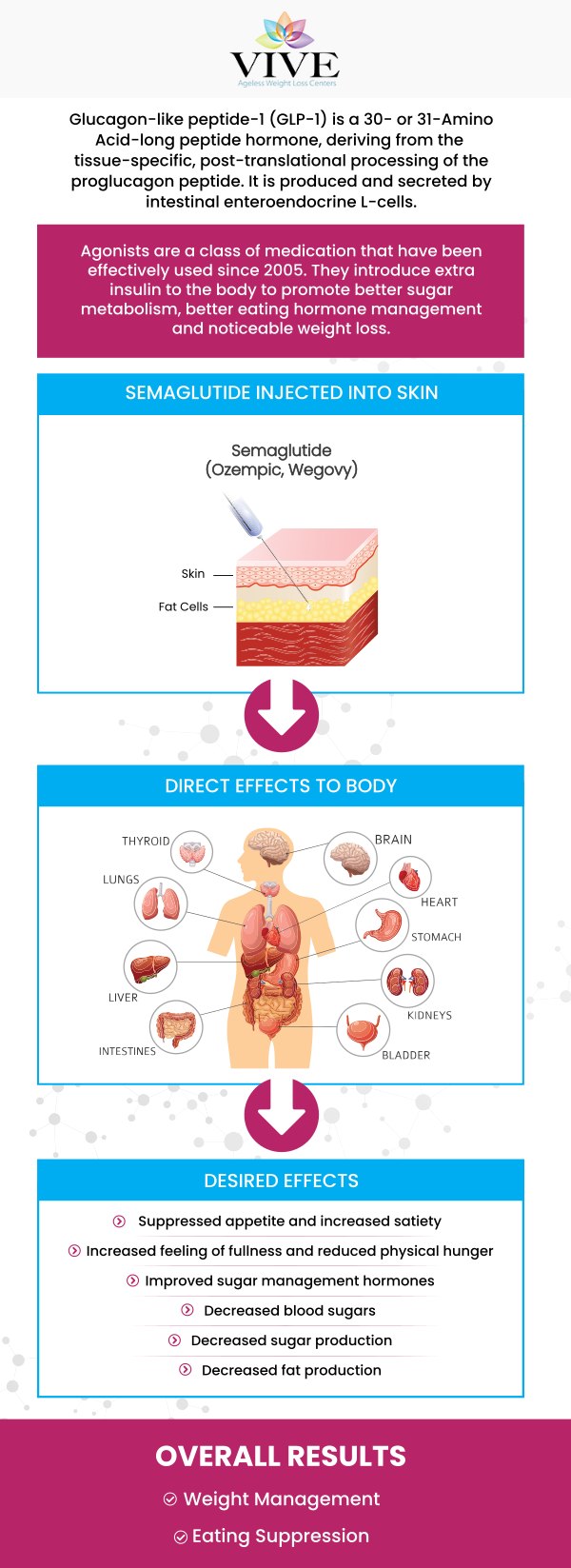
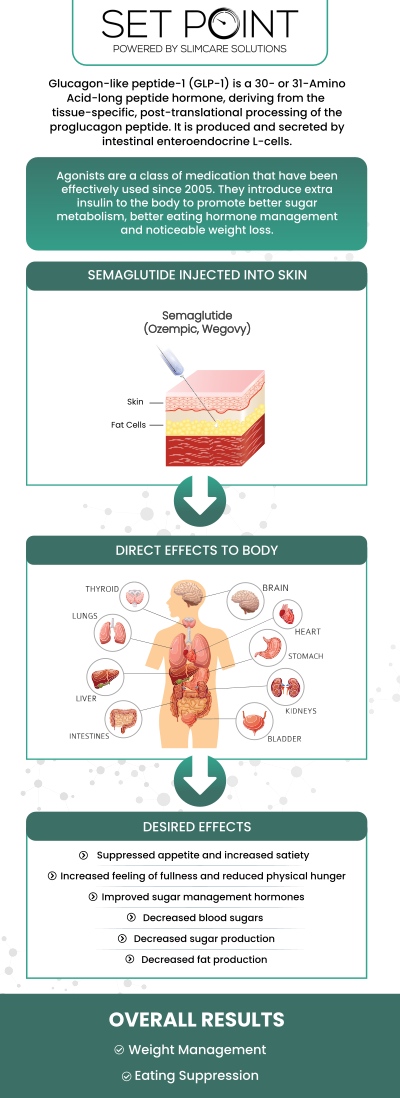
3,4 Physiologically, intestinal cells respond to digested nutrients by secreting GLP1 into the blood and directly triggering nerves that go to the brain regions that control energy intake and reward
some patients maintain their weight loss, some regain weight, and some continue to lose weight
[DOI] [PMC free article] [PubMed] [Google Scholar] 122.Zeng N., Cutts E.J., Lopez C.B., Kaur S., Duran M., Virkus S.A., Hardaway J.A